Explore the Benefits of Energy-Efficient Windows for Sustainable Living
Energy-efficient home windows play a necessary function in lasting living. They significantly minimize power intake and reduced energy bills, boosting total interior comfort. Moreover, these windows add to ecological sustainability by decreasing greenhouse gas emissions. As house owners seek ways to improve their space, the choice of windows can have enduring effects. Recognizing how to choose and keep these crucial functions is critical for optimizing their benefits. What aspects should one think about when making this considerable financial investment?
Comprehending Power Effectiveness in Windows
Financial Savings Via Energy-Efficient Windows
Just how much can home owners save by purchasing energy-efficient home windows? The possibility for considerable economic cost savings is substantial. Energy-efficient home windows are designed to reduce heating & cooling costs by lessening warm transfer. Home owners can expect to save between 10% to 25% on their energy costs yearly, depending upon local environment and the existing window problem. In addition, these windows commonly get tax credit histories and rebates, further boosting their cost.
With time, the preliminary investment in energy-efficient windows typically spends for itself through decreased utility costs. The increased residential or commercial property worth linked with energy-efficient upgrades can generate long-lasting financial advantages. House owners also appreciate reduced upkeep costs, as energy-efficient windows are typically more resilient and immune to wear. Ultimately, the monetary benefits of mounting energy-efficient home windows make them a prudent choice for those aiming to enhance their home's sustainability while conserving cash.
Enhancing Convenience in Your Home
Purchasing energy-efficient windows not just causes financial savings yet likewise greatly enhances the convenience of a home. These windows supply premium insulation, efficiently controling indoor temperatures by reducing warm transfer. Throughout warm summertime, energy-efficient home windows reduce too much warmth buildup, keeping living spaces cooler. Alternatively, in winter, they retain warmth, making certain a relaxing atmosphere.
In addition, these home windows often feature multiple panes and low-emissivity finishings, which mitigate drafts and cold spots that can interrupt comfort. By restricting condensation on the glass, they likewise assist preserve indoor air quality, preventing mold and mildew development and advertising a much healthier space.
Past temperature control, energy-efficient home windows can also lower noise air pollution, producing a quieter home atmosphere. On the whole, house owners can take pleasure in a more comfortable, inviting ambience, making energy-efficient home windows a valuable enhancement to any type of residence.
Environmental Influence of Energy-Efficient Windows
The environmental influence of energy-efficient windows is substantial, specifically concerning lowering carbon impacts. By minimizing energy consumption for heating and air conditioning, these windows add to resource preservation and reduced greenhouse gas exhausts. Their fostering in business and property buildings plays a vital function in advertising sustainable living techniques.
Lowered Carbon Footprint
Energy-efficient windows substantially add to a reduced carbon impact by minimizing power consumption in buildings. These windows are created to boost thermal insulation, stopping heat loss in winter season and decreasing the requirement for too much home heating. In warmer months, they aid maintain interior rooms cooler, thus reducing the reliance on cooling. By utilizing much less energy for home heating and air conditioning, buildings with energy-efficient windows substantially decrease greenhouse gas exhausts connected with power production. Additionally, the production and installation of these windows frequently need fewer resources contrasted to traditional home windows, even more decreasing general exhausts. Subsequently, the prevalent fostering of energy-efficient windows plays a crucial function in combating climate modification and advertising a sustainable future for city settings.
Resource Conservation Benefits
While numerous elements add to source preservation, energy-efficient home windows significantly lower the materials and energy needed for constructing construction and maintenance (Window Contractor). By decreasing warmth loss and gain, these windows reduce the reliance on heating and cooling systems, resulting in reduced power usage over time. This reduction not only preserves Home Page electric sources but likewise reduces the need for fossil gas, therefore supporting sustainable power methods. Energy-efficient home windows usually make use of recycled products in their manufacturing, which decreases the requirement for virgin resources. The longevity of these home windows also suggests less substitutes, equating right into decreased waste and reduced total source removal. Inevitably, the implementation of energy-efficient home windows plays a necessary duty in promoting resource conservation and boosting ecological sustainability
Picking the Right Energy-Efficient Windows
Choosing the proper energy-efficient windows needs mindful consideration Read More Here of numerous aspects, including window structure materials and glass efficiency ratings. Various products provide distinct advantages relating to insulation and resilience, affecting overall energy efficiency. Furthermore, understanding glass efficiency rankings can aid house owners make informed selections that boost comfort and decrease energy prices.
Home Window Framework Products
Picking the right home window framework products is essential for boosting a home's power performance. Numerous materials supply one-of-a-kind advantages and disadvantages that can significantly influence performance. Plastic frameworks are preferred as a result of their outstanding insulation residential or commercial properties and reduced maintenance needs. Wood frameworks give an all-natural aesthetic and strong insulation, however they might require routine upkeep to withstand wetness and bugs. Light weight aluminum frameworks, while sturdy and lightweight, frequently conduct heat and chilly, making them less energy-efficient unless thermally damaged. Fiberglass frames integrate toughness with great insulation yet may come with a higher cost. Eventually, choosing the right frame material depends on stabilizing aesthetic preferences, climate factors to consider, and budget constraints, making sure maximum energy efficiency and sustainability for the home.
Glass Efficiency Ratings
Glass performance scores play a vital function in establishing the energy performance of windows. These ratings analyze numerous aspects, including thermal insulation, solar heat gain, and light transmission. Common metrics include the U-factor, which gauges warm transfer; the Solar Warmth Gain Coefficient (SHGC), indicating how much solar warm gets in a home; and Noticeable Transmittance (VT), which evaluates the amount of natural light that passes via. Selecting windows with low U-factors and excellent SHGC values guarantees that homes continue to be comfy while lessening power intake. Additionally, Power Celebrity certification can assist customers toward high-performing items. By recognizing these scores, homeowners can make informed decisions that advertise sustainability and decrease power expenses, ultimately contributing to a much more energy-efficient living setting.
Installment and Maintenance Tips for Long Life
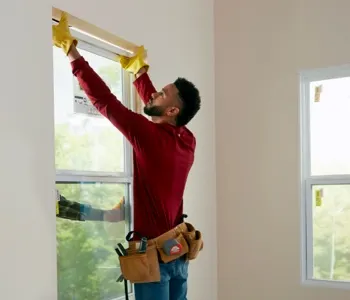
Although mounting energy-efficient home windows can substantially improve a home's sustainability, correct setup and upkeep are basic for optimizing their advantages and long life. Hiring a specialist for installment is necessary; they guarantee that the windows fit Check This Out correctly, avoiding air leakages and dampness invasion. It is suggested to adhere to manufacturer standards carefully and to examine neighborhood building regulations.
Regular maintenance is similarly crucial. Homeowners need to clean up the window frameworks and glass occasionally to get rid of dust and debris that can influence efficiency. Examining seals and weatherstripping for wear can avoid power loss; replacing harmed elements quickly is crucial. In addition, applying a UV-protective film can enhance longevity versus sun direct exposure.
Finally, organizing routine analyses with a professional can help recognize possible issues early, guaranteeing that energy-efficient windows continue to do properly and add to sustainable living. Following these installation and upkeep ideas will considerably prolong the life of these beneficial home financial investments.
Frequently Asked Concerns
Do Energy-Efficient Windows Reduce Environmental Pollution in Homes?
Energy-efficient home windows considerably decrease sound pollution in homes. Their innovative insulation materials and design efficiently obstruct outside noises, developing a quieter indoor environment. Property owners often discover a considerable reduction in sound disturbances from outside.
Can Energy-Efficient Windows Increase Home Resale Value?
Energy-efficient home windows can indeed boost home resale worth. Their appeal exists in reduced power prices, boosted convenience, and sustainability, making homes a lot more attractive to environmentally aware purchasers seeking modern attributes and long-term savings.

Are There Tax Obligation Credit Reports for Installing Energy-Efficient Windows?
Yes, there are tax obligation credit reports readily available for installing energy-efficient windows. House owners may receive government tax obligation motivations, which can considerably lower installation prices while advertising power preservation and improving overall home efficiency.
How Do Energy-Efficient Windows Affect Indoor Air Top Quality?
Energy-efficient windows can favorably impact indoor air quality by avoiding and decreasing drafts wetness accumulation, thus minimizing mold and mildew development. Additionally, they help maintain a constant temperature level, contributing to a much healthier living setting in general.
What Products Are Typically Utilized in Energy-Efficient Windows?
Usual materials used in energy-efficient home windows include low-emissivity glass, insulated frameworks, and argon or krypton gas loads (Window Company). These materials enhance thermal efficiency, decrease heat transfer, and add to total energy financial savings in industrial and residential structures
Energy-efficient home windows considerably add to a reduced carbon footprint by decreasing energy intake in structures. By making use of much less power for home heating and air conditioning, buildings with energy-efficient windows significantly lower greenhouse gas exhausts associated with power manufacturing. Additionally, the manufacturing and setup of these home windows commonly require fewer sources contrasted to standard home windows, further lowering total exhausts. While numerous variables contribute to source conservation, energy-efficient windows considerably minimize the products and energy needed for building construction and upkeep. Selecting the appropriate energy-efficient windows requires careful factor to consider of different variables, consisting of window structure products and glass efficiency rankings.